
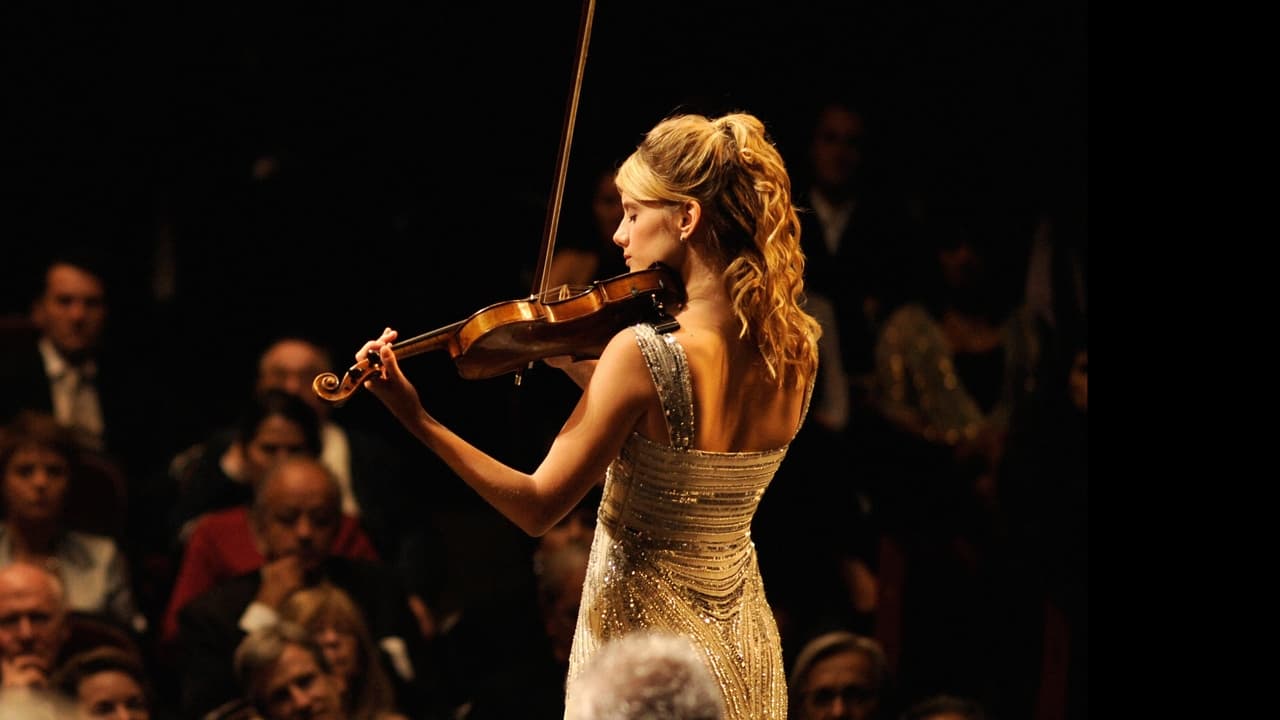
The Concert
A former world-famous conductor of the Bolshoï orchestra, known as "The Maëstro", Andreï Filipov had seen his career publicly broken by Leonid Brezhnev for hiring Jewish musicians and now works cleaning the concert hall where he once directed. One day, he…
Genres: Drama, Comedy
Starring: Aleksey Guskov, Mélanie Laurent, Dmitri Nazarov, François Berléand
Watch now ▶ The Visitors II: The Corridors of Time1hr : 58mins
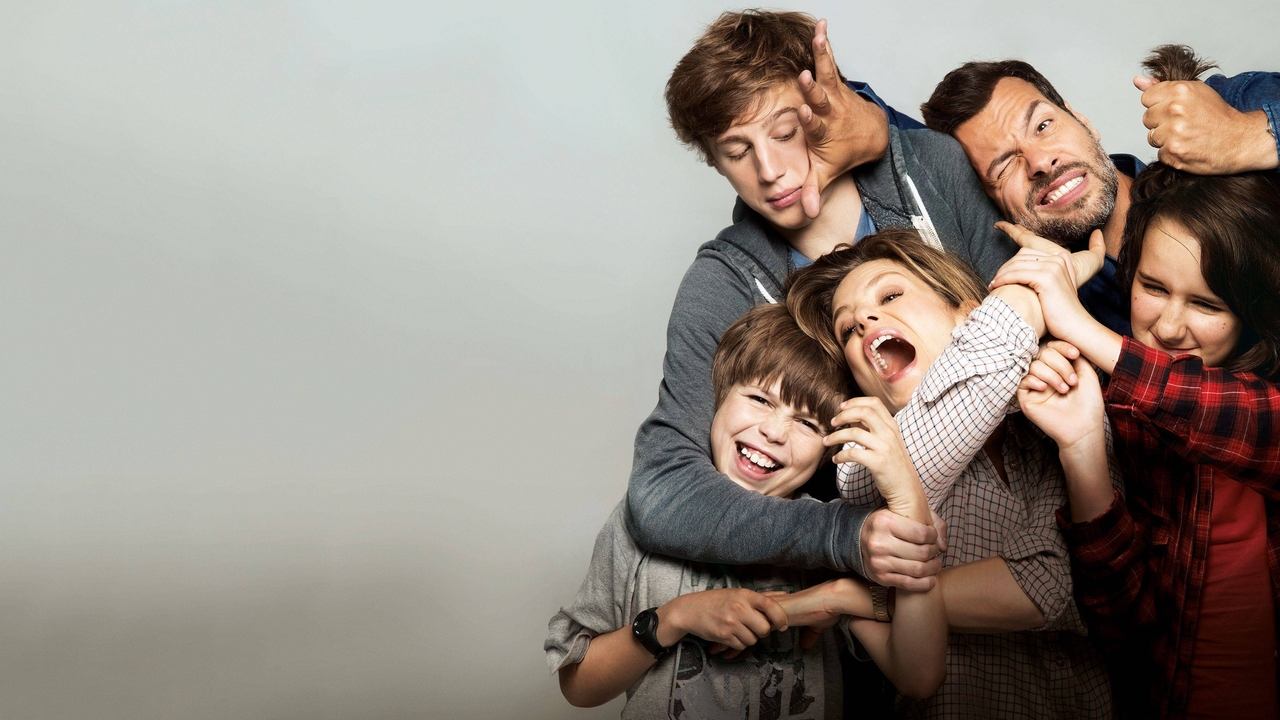 Daddy or Mommy1hr : 25mins
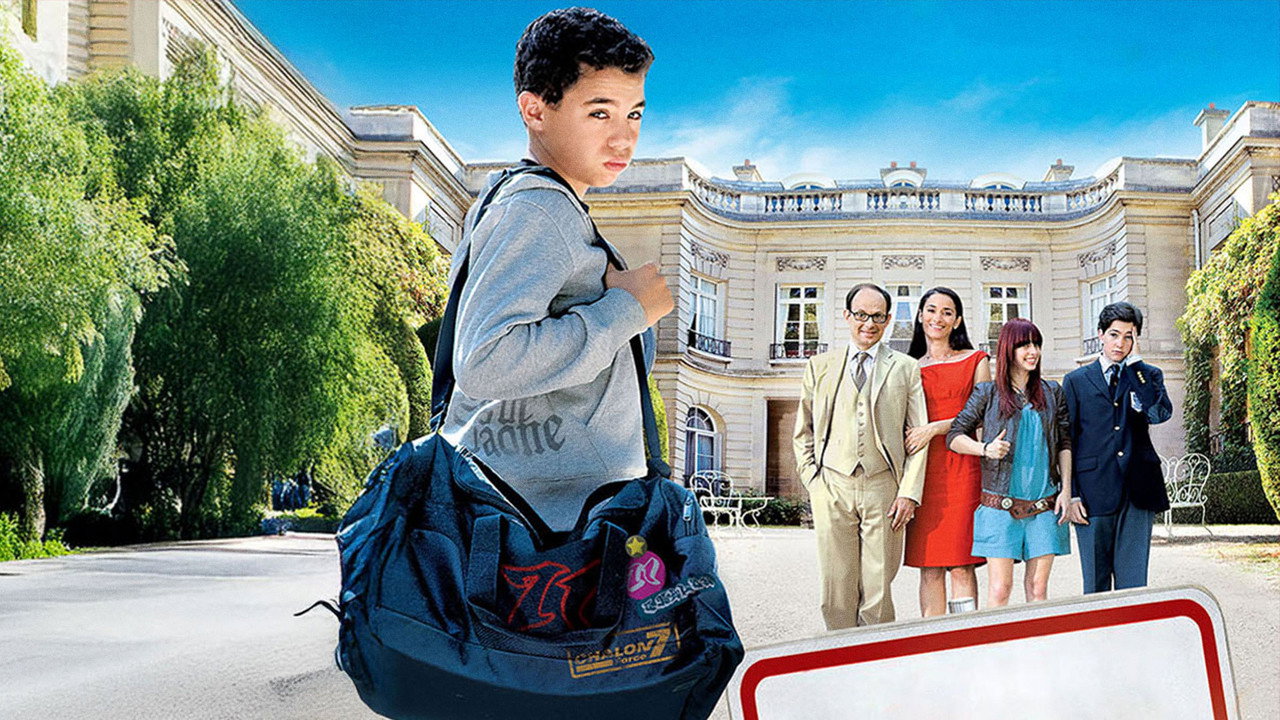 Neuilly Yo Mama!1hr : 30mins
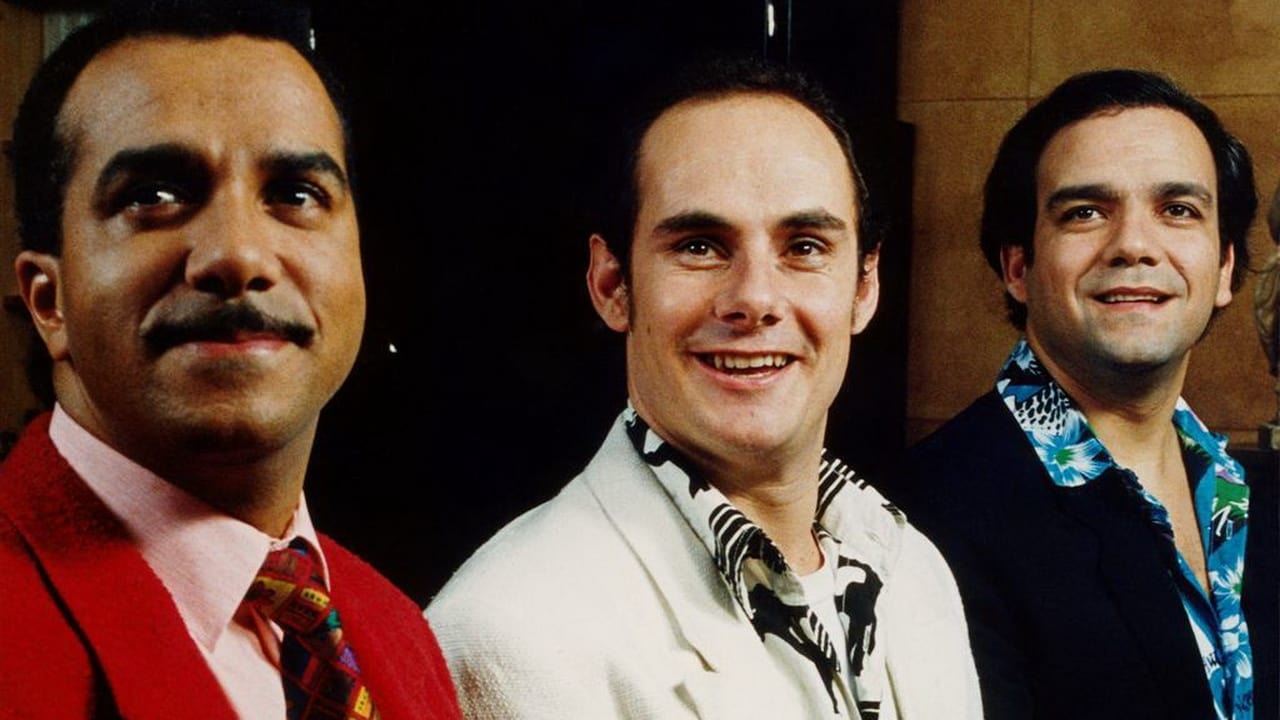 The Three Brothers1hr : 45mins
CineWave
168 films in French from France, Quebec and Belgium, 1960 to 2026.
Top 10 films today
View all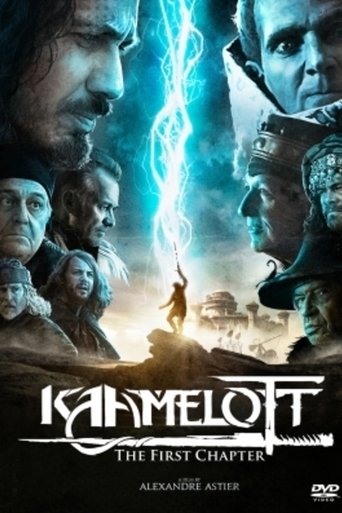 Kaamelott: The First Chapter
 Through the Fire
 Tamara
 Reality
 Hippocrates
 Would I Lie to You? 2
 The Student and Mister Henri
 Roommates Wanted
 The Wannabes
 A Good Doctor
Most loved films
View all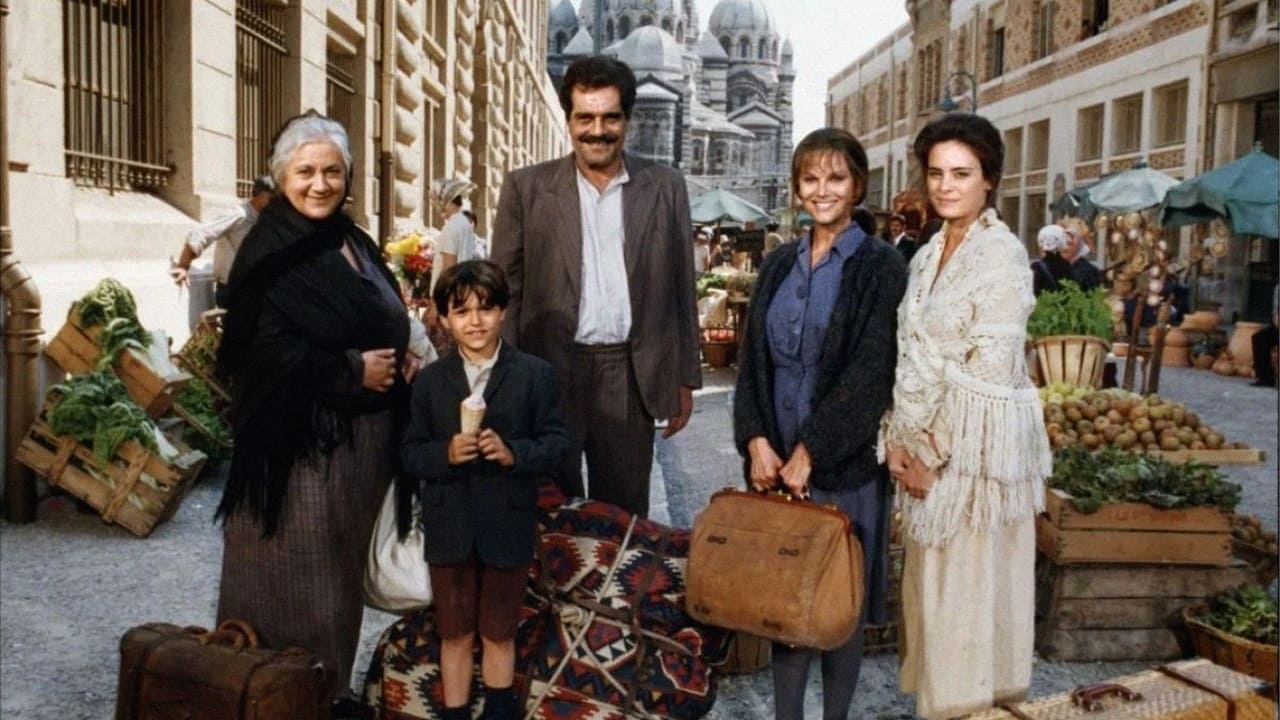

Recent films
View all


Comedy
View all

Family
View all


From Quebec
View all

From Belgium and Switzerland
View all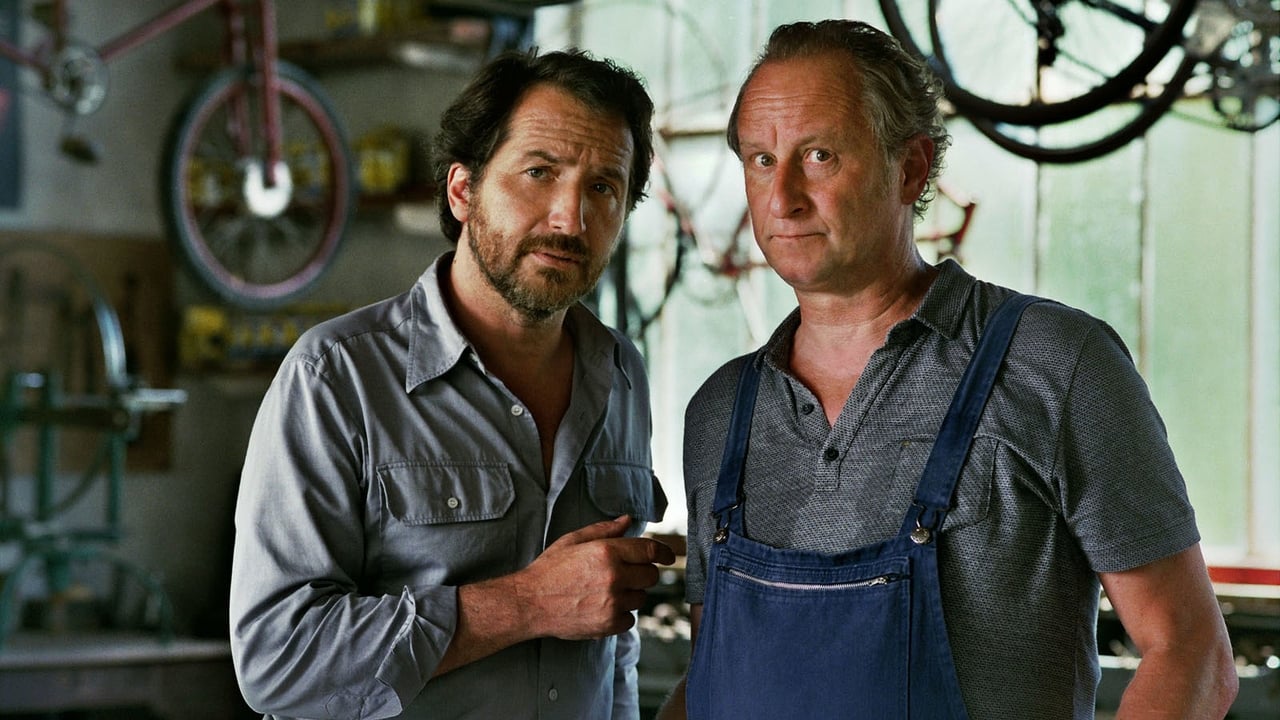

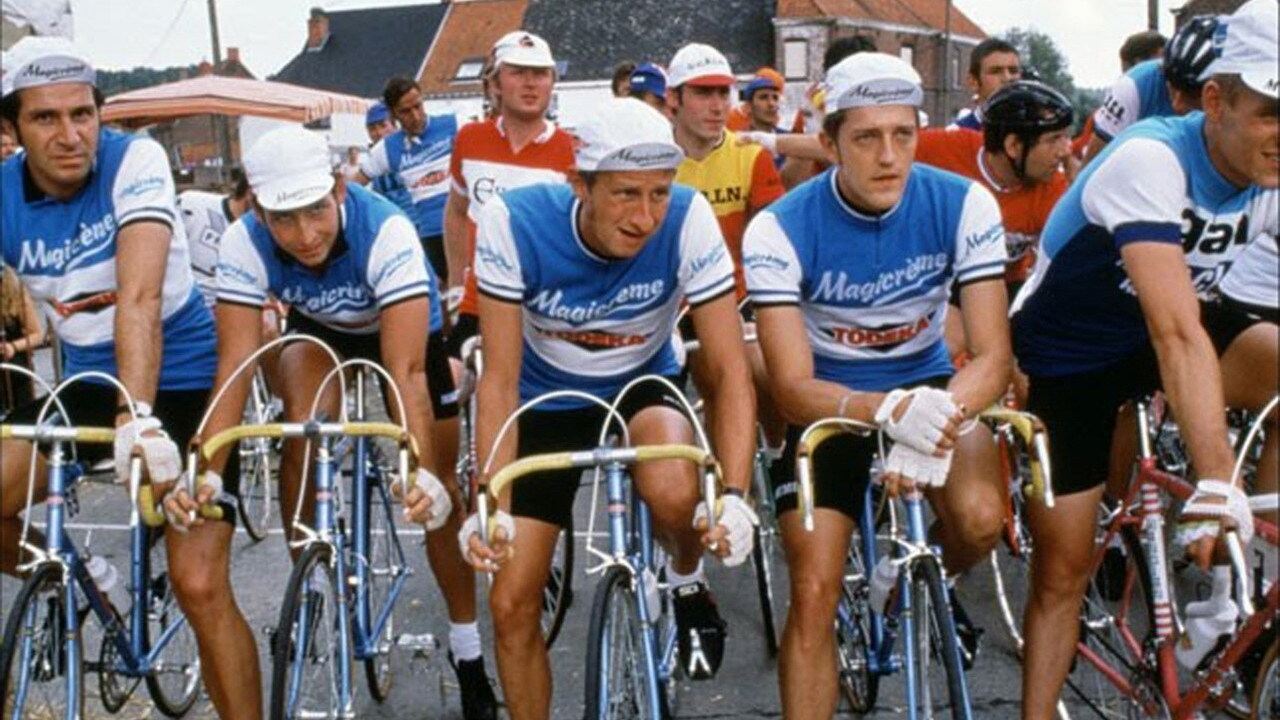
Short films
View all


Categories
ComedyDramaRomanceFamilyQuebecBelgium and SwitzerlandGrowing upLater lifeWorking livesSportStage, screen and musicJourneysFantasy and adventureTelevision filmsShort filmsBefore 19901990 to 2009The 2010s2020 onwardsTop rated
The CineWave guide to French-language films
CineWave: French-language films, from The Concert, The Three Brothers and Hippocrates to Welcome, Seducing Doctor Lewis and The Visitors II
French is the language in which cinema was invented, and the countries that speak it have gone on making films at a rate few others match: more than two hundred a year in France alone, with lively industries beside it in Quebec, Belgium and Switzerland. Viewers abroad tend to meet the serious end of that output, the festival prize-winners and the classics of the New Wave. At home the picture is broader and a good deal funnier. The films that fill French cinemas on a Saturday night are comedies about families, neighbours, doctors, teachers and village football teams, and stories of ordinary people told with warmth and wit. CineWave is a guide to 168 French-language films of that kind, made between 1960 and 2026. Each has its own page, its story, its director and cast, and a Watch now button that leads to the official services carrying it in your country.
The catalogue has been chosen for the whole household. Every summary was read by hand, and the selection keeps to comedy, family stories, romance, school life, sport, music and gentle fantasy. Crime films, horror, films of the battlefield, erotic comedies and adult dramas were left out. What remains includes a former conductor who smuggles his old orchestra to Paris, three half-brothers who meet at a lawyer's office, a young doctor on his first ward, a swimming teacher in Calais with an unusual pupil, a fishing village in Quebec that needs a doctor, and a medieval knight lost in the present day.
The sections that follow are arranged by theme, then by place and by period. They begin with three films for a first evening, move through comedy, family, working lives, growing up and romance, cross the Atlantic to Quebec and the border to Belgium, and finish with the classics, the short films and the newest releases. The last parts cover the language, search, the lists and My List. Every film title is a link, and the text is in English for viewers anywhere.
What CineWave offers
CineWave is a viewing guide. It holds neither films nor downloads on its pages; it tells you what each film is about, who made it and who appears in it, and then hands you to the legal services that carry it. The how to watch page sets out the three steps: find a film, read its page, choose your country and press Watch now. The button opens JustWatch, an independent directory of streaming, rental and purchase services, on the entry for that film, so the answer is always current for the place where you live.
Of the 168 films, 132 were produced in France, eighteen in Quebec, and fifteen in Belgium and Switzerland, with a handful of co-productions filmed in Africa and Asia. There are 122 comedies and forty-three dramas. Sixteen films were made before 1990, forty-six between 1990 and 2009, sixty-five in the 2010s and forty-one since 2020. Twelve are short films, from four minutes to forty-seven, and six were made for television. Twenty lists arrange the catalogue by kind, country, theme and decade, and the top rated list gathers the seventy-eight titles that viewers have scored most highly.
The home page follows the look of a film service. A wide featured picture leads, with a red tag, a large title, a rating, a running time written in hours and minutes, and lines for the genres and the cast. Four wide stills overlap its lower edge, each with a red bar beside the title. A Top 10 row counts the most popular films with large outlined numbers, and rows of wide pictures follow for the most loved films, recent releases, comedy, family, Quebec, Belgium and short films, each with a View all link. A panel of categories at the foot opens every list.
A first evening
Three films make good introductions. The Concert, directed by Radu Mihăileanu in 2009, is a crowd-pleaser in the best sense. Andreï Filipov was once the brilliant young conductor of the Bolshoi orchestra in Moscow; thirty years ago he was dismissed in the middle of a performance for defending his Jewish musicians, and he now cleans the theatre's offices. One evening, dusting the director's desk, he sees a fax arrive from Paris: the Théâtre du Châtelet needs an orchestra at short notice. Andreï pockets the page. He will gather his old players, now taxi drivers, market traders and removal men, and take them to Paris as the Bolshoi. He asks for one thing, that the solo part in Tchaikovsky's violin concerto be played by a celebrated young Frenchwoman, played by Mélanie Laurent, and his reasons emerge slowly. The journey is broad farce, the final twelve minutes of music are overwhelming, and the film is spoken in French and Russian.
Seducing Doctor Lewis, made in Quebec in 2003, won the audience award at the Sundance festival and has since been remade in half a dozen countries. Sainte-Marie-la-Mauderne is a fishing village on an island where the fish have gone and the men queue each month for their welfare cheques. A company will build a small factory there on one condition, that the village has a resident doctor. When a young plastic surgeon from Montreal is obliged to spend a month on the island, the villagers, led by the wily Germain, set out to make him fall in love with the place. They listen to his telephone calls to learn his tastes, pretend a passion for cricket, his favourite game, which is entirely new to them, and leave a banknote on the quay each evening for him to find. It is a comedy about dignity, and audiences of every age take to it.
Speak Out, from 2024, is the choice for a family with children at school. Colin is fourteen, new to his school, and has a stammer that makes every roll call a trial. His French teacher, Mr Devarseau, played by José Garcia, is staging Cyrano de Bergerac with the class, and he sees in the boy what the boy has yet to see in himself. The original title, Le Panache, is the last word of that play and means something like style in the face of difficulty, and the film earns it.
Comedy
The 122 comedies are introduced in the comedy guide. French popular comedy has its own stars, and the best way in is through them. The trio known as Les Inconnus, Didier Bourdon, Bernard Campan and Pascal Légitimus, ruled television in the early nineties, and their first film, The Three Brothers, drew nearly seven million people in 1995 and won the César for best first film. Three men of very different lives, among them an out-of-work actor and an advertising executive, are summoned by a lawyer and told that they share a mother, lately departed, and a handsome inheritance. They spend freely on the strength of it, and then the inheritance evaporates. One of them also acquires a small son he has only just heard about, and the film's heart lies there.
Christian Clavier and Jean Reno are the stars of The Visitors II: The Corridors of Time, the sequel to the most popular French comedy of the nineties. Godefroy, a twelfth-century count, and his squire Jacquouille were carried to modern France by a careless wizard; the squire stayed behind in our century with the family jewels, and time itself has gone out of joint until he and they are fetched back. The pleasure is in the collision of manners: the knight treats a hatchback as an enemy charger, and the squire has discovered toothpaste and television. Clavier appears again with Philippe Noiret in Twist Again in Moscow, a farce of 1986 set in a grand Soviet hotel whose manager has a little too much caviar in the cellar and an inspector at the door.
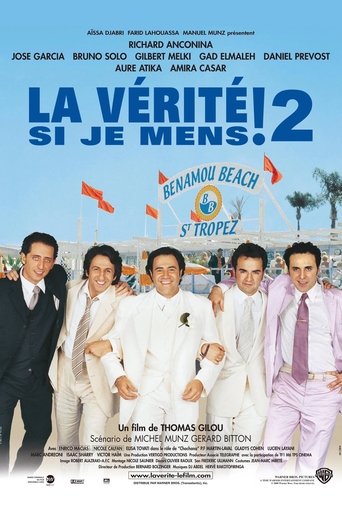
Several comedies of the eighties and nineties are part of French folklore. Auntie Danielle, by Étienne Chatiliez, has one of the great comic monsters of the cinema: an elderly widow of sweet appearance who moves in with her devoted nephew's family in Paris and sets about making their lives impossible, feigning frailty before visitors and trampling the flowerbeds when alone. She meets her match in a young carer who refuses to be bullied. The Jackpot!, directed by Claude Zidi in 1991, casts Thierry Lhermitte as a dull telephone company employee whose family is unaware that he has been a secret agent for twenty years; Hollywood later remade it on a vast budget. Jaguar, by Francis Veber, sends Jean Reno and Patrick Bruel into the Amazon forest in the company of a tribal elder, P.R.O.F.S. follows four young teachers who shake up a sleepy high school, and Would I Lie to You? 2 returns to the garment district of Paris, where a group of friends in the wholesale trade take on a supermarket chain that has cheated them.
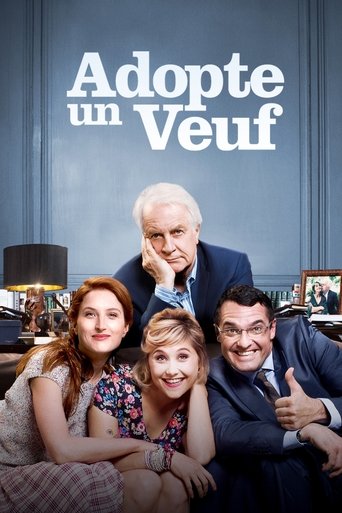
The comedies of recent years are gentler. Roommates Wanted stars André Dussollier as a retired obstetrician, lonely in a vast flat since his wife's passing, who lets a room to a cheerful young woman by mistake and soon has two more lodgers and a household again. In The Student and Mister Henri another grumpy widower, played by the veteran Claude Brasseur, offers his student lodger free rent if she will do him a small and questionable favour concerning his son's marriage. Papi Sitter installs two grandfathers of opposite temperaments, a retired officer and a former nightclub owner, as joint supervisors of a granddaughter revising for her exams. Beautiful Lies has Audrey Tautou as a hairdresser in the port of Sète who forwards an anonymous love letter to her downcast mother, with complications for all three people involved, and The Tasting brings together a wine merchant and a midwife over a bottle in the city of Troyes.
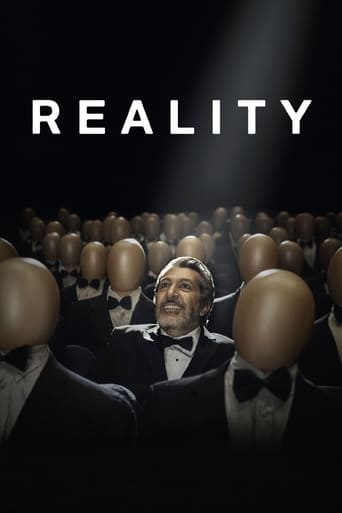
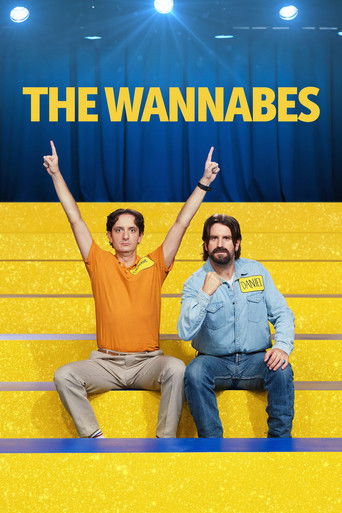
There is an odder strain as well. Benoît Poelvoorde, the Belgian comedian, plays the title role in Raoul Taburin, taken from a book by the illustrator Sempé, about a village bicycle repairer, admired by the whole region, who has kept a secret all his life: he has yet to learn how to ride. In Roxane a Breton egg farmer who recites Cyrano de Bergerac to his hens tries to save his farm by filming the performances. Reality, by Quentin Dupieux, is a hall of mirrors in which a television cameraman must find the perfect groan to win a producer's backing for his film, and a little girl named Reality finds a videotape. Maine-Ocean Express, by Jacques Rozier, begins with a quarrel over a train ticket and drifts happily to an island off the Atlantic coast with two inspectors, a Brazilian dancer, a lawyer and a fisherman. The Wannabes sends two feuding shop assistants onto television game shows, and Flashback carries a modern lawyer through the centuries to meet the women who won the rights she takes for granted.
Family
Eighty films turn on family life, and the family guide groups them. Daddy or Mommy reverses the usual custody story: Florence and Vincent, a model couple played by Marina Foïs and Laurent Lafitte, agree on an amicable divorce, are each offered the job of a lifetime abroad on the same day, and so each sets out to persuade the three children to choose the other parent. The First Star, written and directed by Lucien Jean-Baptiste from his own childhood, follows a father of Caribbean origin from the Paris suburbs who has rashly promised his children a skiing holiday and must deliver one on a tiny budget, with a grandmother in tow. Rumba Therapy gives Franck Dubosc the part of a solitary school bus driver who, after a health scare, enrols incognito in the dance class taught by the daughter he has yet to meet.
Fathers and sons are at the centre of several of the best films. In Of Love and Lies, a Belgian comedy with François Damiens, a twelve-year-old footballer tells his struggling father that a great English club has chosen him, a kind untruth that gives the man a reason to pull himself together and that grows harder to maintain each day. In In the Game a teenage basketball player from Lyon is left in charge of his grandfather, played by Thierry Lhermitte, whose memory is failing, on the weekend of the national final in Paris, and takes the old man along. Our Struggles stars Romain Duris as a warehouse foreman who must suddenly manage two small children alone, and Dad in Training follows a music producer who learns late what his daughters need.
Three more are worth singling out. Summer Hours, by Olivier Assayas, gathers two brothers and a sister, played by Charles Berling, Jérémie Renier and Juliette Binoche, at their mother's country house, which is filled with the furniture and paintings of a great-uncle who was an artist. When she is gone they must decide what to keep, and the film follows the objects themselves to a museum. It is a quiet masterpiece about what passes between generations. Mother is the film-maker Henri Verneuil's memoir of his Armenian family, who arrived in Marseille in 1921 with empty hands and sewed shirts so that their son could study; Claudia Cardinale and Omar Sharif play the parents. Florida gave Jean Rochefort his last great part, as a mischievous retired industrialist of eighty who is convinced his younger daughter is waiting for him in Miami.
Doctors, vets and working lives
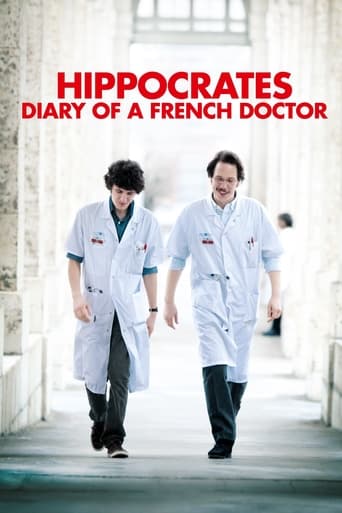
Sixty-eight films turn on a job, and the working lives guide lists them. Medicine comes first. Hippocrates was written and directed by Thomas Lilti, who was a practising doctor when he made it. Benjamin, twenty-three and sure of himself, begins his first post as a junior doctor on the ward his father runs. Within days he has made a mistake on a night shift, and he learns the difference between knowing medicine and practising it from Abdel, an older and more experienced colleague from Algeria who is obliged to work as a junior. Reda Kateb won the César for best supporting actor in the part. The film is funny, exact about hospital life, and serious about responsibility; it suits teenagers and adults. A Good Doctor is its comic cousin: on Christmas Eve the one doctor on call in Paris, played by Michel Blanc, puts his back out and sends a food delivery rider up the stairs in his place, giving instructions through an earpiece.
Sachs' Disease, adapted from a much-loved novel, is told by the patients of a country doctor, each of whom describes him in turn; Albert Dupontel plays him with great tenderness. Midwives follows two newly qualified midwives through their first months on a maternity ward and is honest about the pressure of the work. 150 Milligrams is the true story of Irène Frachon, a lung specialist in Brest who noticed a pattern among her patients, traced it to a widely prescribed medicine, and persisted until the authorities acted. Through the Fire concerns a Paris firefighter, played by Pierre Niney, who is badly hurt on duty and must rebuild his life with his wife's help; it is a moving film and a demanding one. The Vets is lighter, a comedy-drama set in the hills of Burgundy, where the last vet for miles is joined, much against her wishes, by a brilliant young researcher from the city.
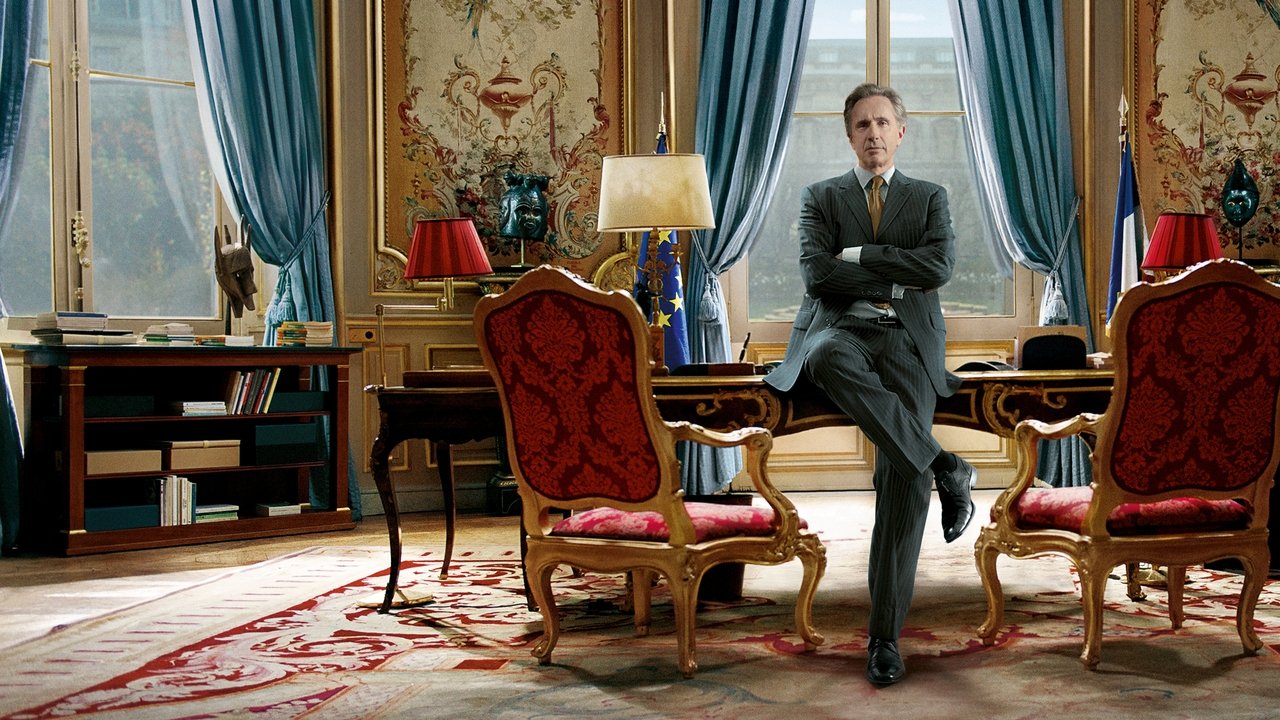
Other callings have their films. Conversations with My Gardener, by Jean Becker, brings a Parisian painter back to his family's house in the country, where the man he hires to restore the kitchen garden turns out to be a friend from primary school, a retired railway worker. Daniel Auteuil and Jean-Pierre Darroussin talk through a summer about vegetables, pictures, marriage and what a life is for. Discount is a comedy of solidarity in which the staff of a cut-price supermarket, facing replacement by self-service tills, open a shop of their own with goods the store was about to throw away. Striking The Palace takes its heroine into the team of chambermaids at a grand Paris hotel on the eve of fashion week. Crash Test Aglae is a road film about a quality tester so attached to her post that when the factory moves to India she sets out to follow it by car. The French Minister, by Bertrand Tavernier, observes a whirlwind of a foreign minister through the eyes of his young speechwriter, and Time Out, by Laurent Cantet, is the sober study of a man who lets his family believe he still has his job.
Growing up
Sixty-six films concern children and young people, and the growing up guide divides them by age. Two films about very small children are remarkable. In Ponette, by Jacques Doillon, a girl of four tries to understand where her mother has gone, with the help of her cousins, a teacher and her own stubborn hope; Victoire Thivisol was given the best actress prize at Venice, the youngest winner in its history. In Ama Gloria, six-year-old Cléo spends a last summer with the nanny who has raised her, at the nanny's own home in Cape Verde, and learns that she must share her. Both films stay at the child's eye level and are best watched by adults, or with older children.
Stella is the director Sylvie Verheyde's memory of 1977, when she was eleven, the daughter of café owners, and won a place at a smart Paris school where everything was foreign to her until a friend lent her a book. An Impudent Girl, by Claude Miller, made a star of Charlotte Gainsbourg at fourteen as a restless girl in a small town who becomes fascinated by a young concert pianist of her own age. Nicostratos the Pelican is a holiday film for the whole family, set on a Greek island where a boy raises a pelican chick in secret. Viper in the Fist, from a classic French novel, recalls a childhood in a Breton manor ruled by a formidable mother.
School comedies are a French speciality. Battle of the Classes asks whether two well-meaning Parisian parents will keep their son at the local state school when his friends leave for private ones. Premier de la classe is about a boy of fourteen who has convinced his father he is top of the class and must hire a cast of stand-in teachers for parents' evening. Mention particulière, made for television, follows Laura, who has Down syndrome and is determined to pass her school-leaving exam. Neuilly Yo Mama! moves a boy from a tower block to his aunt's house in the richest suburb of Paris, and La Colle traps a pupil in a Saturday detention that repeats itself. For teenagers there are Tamara and A New Girl in Paris!, taken from a popular comic about a girl learning to like herself; School's Out, set in the last week before the exams of 1990; Spare Keys, about a summer friendship in the city of Nancy; and Summer Beats, in which two young women from a Paris estate lead a holiday camp in the countryside.
The Worst Ones, which won the top prize in its section at Cannes in 2022, is a film about film-making: a director comes to a housing estate in the north of France and casts four local children, to the dismay of neighbours who feel he has chosen the very ones who give the place a bad name. Placés sends a student who has missed an exam to work in a children's home for a year, and Adopt a Daddy has a playground supervisor take an unusual step to keep a pupil and his mother in the country. These three are suited to older teenagers and adults.
Romance
Thirty-five films are love stories, and the romance guide introduces them. The oldest tale is told twice over: Marius and Fanny, directed by Daniel Auteuil in 2013 from the plays of Marcel Pagnol. On the old port of Marseille, César keeps a bar; his son Marius loves Fanny, who sells shellfish outside, and loves the sea still more. He sails, she stays, and the kindly sailmaker Panisse offers her his name. Auteuil plays César with all the bluster and tenderness the part demands. The same city, seventy years on, is the setting of Marius and Jeannette, Robert Guédiguian's story of a supermarket cashier and a watchman at a disused cement works who find each other in a courtyard full of talkative neighbours; Ariane Ascaride won the César for best actress.
The Best Years of a Life is a rare thing, a sequel made fifty-three years later with the same actors. Claude Lelouch reunites Jean-Louis Trintignant and Anouk Aimée, the racing driver and the script girl of his famous film of 1966, now in old age; his memory is fading, but hers he has kept. Lovers Like Us, by Jean-Paul Rappeneau, is a screwball adventure of 1975 in which Catherine Deneuve, fleeing a wedding in Caracas, lands on the private island of a perfumer who wished only to be left alone, played by Yves Montand. New Beginnings finds a couple of thirty years' standing at a crossroads, Ladies gives the comedian Florence Foresti a tender part as a woman learning to enjoy life again after an illness, and Hard Shell, Soft Shell is a charming first film about a young oyster worker in Sète who is taught to dance by a friend in order to win back his girl. You Found Me, Her & Him & the Rest of the World and Rodrigue in Love, set at the Avignon theatre festival, are for anyone who likes a meeting by chance.
Quebec
Eighteen films come from French-speaking Canada, and the Quebec guide arranges them. The landmark is Mon oncle Antoine, made by Claude Jutra in 1971 and regularly voted the finest Canadian film of all. It is Christmas Eve in a mining town of the forties. Benoît, fifteen, works in the general store kept by his uncle, who is also the town's undertaker, and that night he rides out with him by sleigh through a snowstorm to a distant farm. By morning the boy has seen the adults around him as they are. The film is funny and observant in its first half and grave in its second, and it is recommended for teenagers and adults.
Ricardo Trogi has turned his own youth into a series of comedies that Quebec audiences adore. 1981 finds him at eleven, new in a suburb, inventing a wealthier family to impress his classmates and longing for a calculator watch. 1991 sends him, at twenty-one, to Italy in pursuit of a girl who has gone to study in Perugia, losing his passport and his luggage on the way. 1995 has him competing in a televised contest for young film-makers. Each is narrated by the director with rueful honesty, and they may be watched in any order. His earlier Dodging the Clock is a comedy about three friends in their thirties and their differing enthusiasm for fatherhood.
Ice hockey, the national passion, has three films: The Boys II and The Boys III, from the most successful comedy series in the province's history, about an amateur team sponsored by a tavern, which here travels to a tournament in the French Alps; and Junior Majeur, a drama about a gifted eighteen-year-old in the junior league. Gaz Bar Blues is a warm portrait of a petrol station in Quebec City in 1989, its ailing owner, his three sons and the regulars who pass their days there. Compulsive Liar, a great success of 2019, punishes a man who fibs about everything by making each fib come true, beginning with his claim that his neighbour is a dangerous eccentric.
The dramas are distinguished. Ru, from the prize-winning novel by Kim Thúy, follows a girl and her family from Vietnam to a small town in Quebec in the winter of 1979, where the snow, the food and the kindness of strangers are all equally new. Kuessipan is set in an Innu community on the north shore of the Saint Lawrence and follows two friends since childhood, one of whom dreams of leaving to become a writer. Paul à Québec, from a celebrated graphic novel, is a gentle account of a young family and a much-loved father-in-law in his last months. Congorama links a Belgian inventor and a Quebec farmer by way of an electric car and an emu. Babine brings to the screen the village tales of the storyteller Fred Pellerin, You're Sleeping, Nicole is a dreamy black-and-white comedy about a summer of doing little, and Testament, by the veteran Denys Arcand, is a satire in which an elderly archivist watches a quarrel over a mural engulf his retirement home.
Belgium and Switzerland
Fifteen films come from the other French-speaking countries of Europe, and the Belgium guide covers them. Toto the Hero, the first film of Jaco Van Dormael, won the Caméra d'Or at Cannes in 1991. Thomas, an old man in a retirement home, is convinced that he was exchanged in the maternity ward with the boy next door and that his neighbour has lived the fortunate life meant for him. The film leaps among his childhood, his middle years and his old age, with a singing father, a beloved sister and a secret agent of the imagination called Toto. It is inventive, touching and unlike anything else.
Benoît Poelvoorde is Belgium's best-known comic actor. Besides Raoul Taburin he stars in Ghislain Lambert's Bicycle, the mock-heroic story of a professional cyclist of the seventies whose ambition is to carry water bottles for a champion, and in The Big Night, with Albert Dupontel, as two brothers, one the self-proclaimed oldest punk in Europe and the other a bed salesman, who join forces in a shopping centre car park. The Departure, which won the Golden Bear at Berlin in 1967, follows a hairdresser's apprentice in Brussels, played by Jean-Pierre Léaud, through two frantic days in search of a car for a rally. Simon's Got a Gift is a romantic fantasy about a boy who can take on the appearance of anyone he has touched, and Heads or Fails is a quick comedy about a young woman in Brussels who will bet on anything.
Ghost Tropic, by Bas Devos, is a small wonder. A cleaning lady of fifty-eight falls asleep on the last metro and wakes at the end of the line; she has spent her fare and must walk home across Brussels through a cold night. A security guard, a shopkeeper and a stranger each help a little. The film lasts eighty-five minutes and restores one's faith in cities. Since Otar Left, set in Georgia and Paris, concerns a grandmother, a mother and a daughter and a loving deception with letters. From Switzerland comes Charles, Dead or Alive, Alain Tanner's first film, in which the head of a Geneva watch firm walks out of his own anniversary celebrations to live with a young couple in the country.
Sport
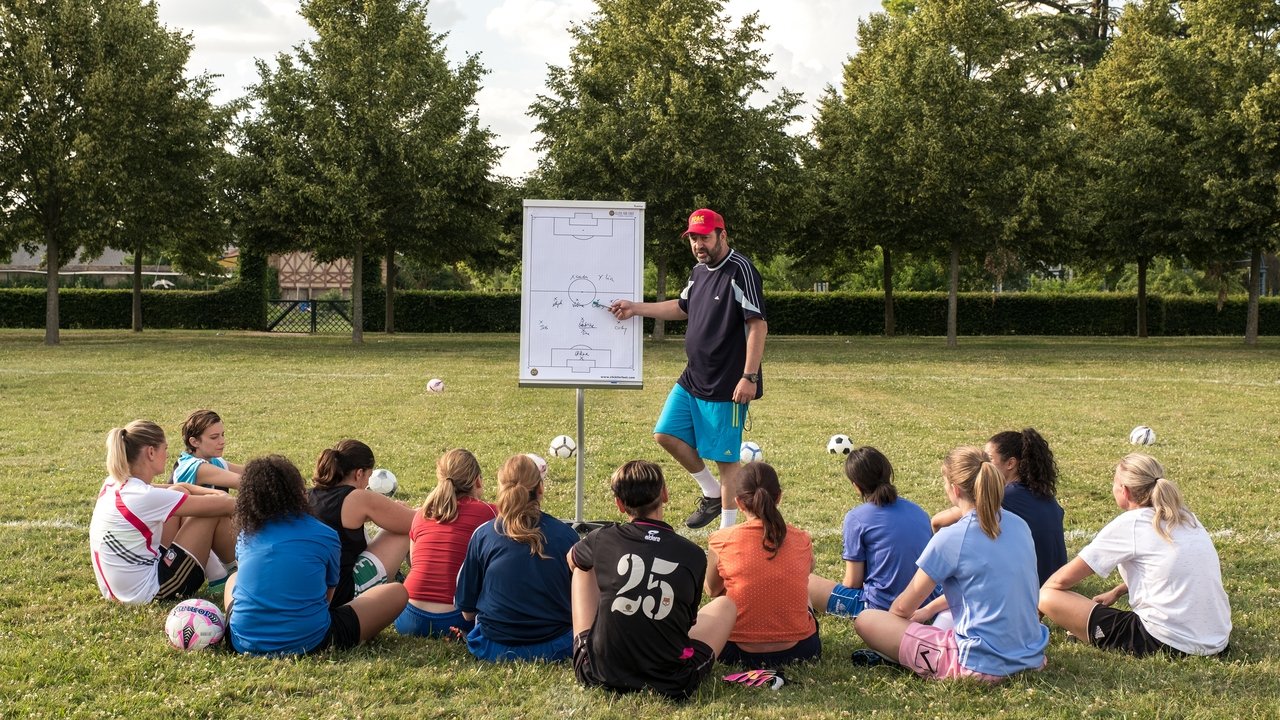
Fifteen films belong to sport, and the sport guide lists them. Queens of The Field is the most cheerful: when the men's team of a northern village is suspended for the rest of the season, the coach, played by Kad Merad, fields the players' wives, daughters and neighbours to save the club. Chacun pour tous is a comedy drawn from a real scandal at the Paralympic Games of 2000, seen from the side of the honest players on a basketball team. Ride Away follows two friends, an actor and a clown, on a bicycle ride from the Atlantic to the Black Sea in memory of a son; it is a tender film about friendship and loss, made by the men themselves. Challenger gives an amateur boxer an unexpected professional bout.
Stage, screen and music
Forty-two films concern the arts, and the stage and music guide gathers them. After The Concert, music lovers should try Chicken with Plums, by Marjane Satrapi and Vincent Paronnaud, a jewel-box fable set in Tehran in 1958 about a great violinist, played by Mathieu Amalric, and the love that gave his playing its sorrow; and Tous les soleils, a comedy by the novelist Philippe Claudel about an Italian professor of baroque music in Strasbourg, his teenage daughter and his brother, who refuses to leave the flat on political grounds. Stars 80 sends the real pop singers of the eighties back on tour, Radiostars puts a breakfast radio team on a bus round provincial France, and Pourquoi je vis is a television portrait of the singer Grégory Lemarchal.
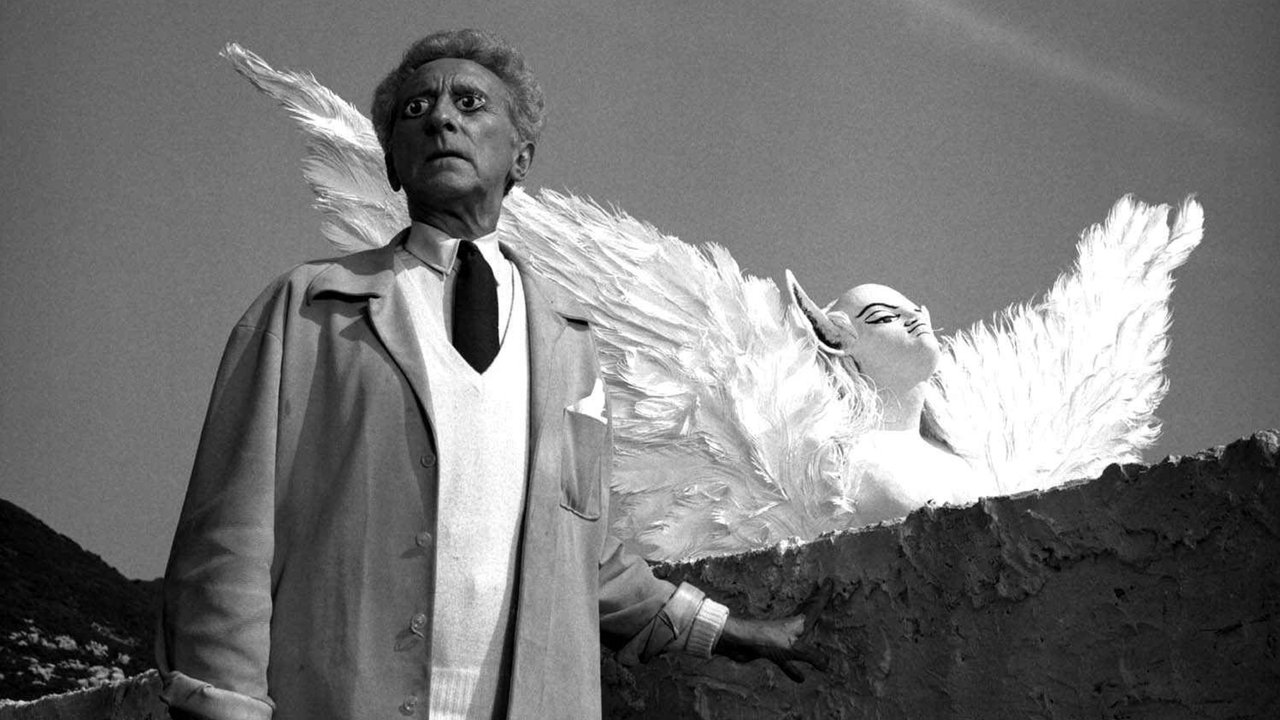
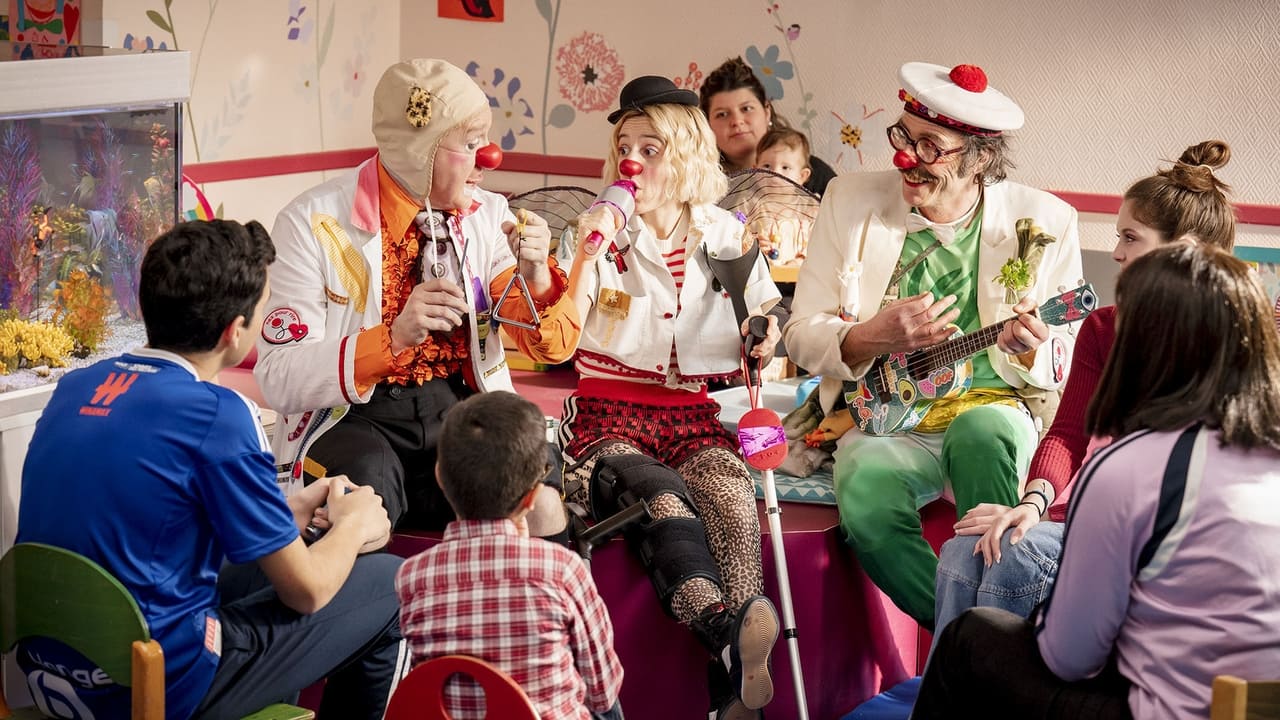
The theatre is the world of Ogres, Léa Fehner's rumbustious film about a travelling company that performs Chekhov under canvas, made with her own parents' troupe, and of Sur un fil, directed by the actor Reda Kateb, about a young acrobat who joins the clowns who visit children in hospital. Cinema looks at itself in Irma Vep, in which Maggie Cheung, playing herself, arrives in Paris to star in a remake of a silent serial for a director in crisis; in Voyage to the Beginning of the World, Manoel de Oliveira's road film through northern Portugal, which gave Marcello Mastroianni his last role; in Most Promising Young Actress, with Gérard Jugnot as a Breton hairdresser whose daughter, played by Bérénice Bejo, is offered a part in a film; and in Testament of Orpheus, the farewell of the poet Jean Cocteau, who wanders through his own myths and meets his friends, Picasso among them.
Later life
Twenty-five films look at the later years, a subject French cinema treats with unusual respect. The Snows of Kilimanjaro, by Robert Guédiguian, takes its title from a popular song. Michel, a union man in Marseille, draws his own name in a lottery to decide who will be laid off at the shipyard and accepts the result. He and his wife Marie-Claire, married thirty years, are given a holiday to Tanzania by their family and friends, and then lose the tickets and the savings in a single evening to a young man in worse straits than their own. What they do next is the subject of the film, which is among the most generous the director has made. Roommates Wanted, Florida, Small World and The Student and Mister Henri have been mentioned already; to them may be added Retirement Home, a comedy in which a young man with a debt to society is sent to work among pensioners and ends by organising them, and Mes héros, with Josiane Balasko and Gérard Jugnot as a long-married couple in the country whose son comes home to find them sheltering a small boy.
The Last Mitterrand imagines the final months in office of the French president, old, ill and still formidable, in conversation with a young journalist who has been engaged to help with his memoirs. Michel Bouquet won the César for best actor, and the film is less about politics than about how a man looks back on his own life. Couleur locale and The First Forgotten bring similar themes to television, and Testament and Toto the Hero treat them as comedy.
More comedies worth knowing
The comedy list is long, and a few further titles deserve a word. Attila Marcel is the first live-action film by Sylvain Chomet, the animator: Paul, a gentle pianist of thirty-three who has been silent since infancy, lives with two aunts who teach ballroom dancing, until a neighbour on the fourth floor offers him a herbal tea that brings back memories as musical numbers. Only God Sees Me, by Bruno Podalydès, is a comedy of indecision set in Versailles during an election, in which a sound recordist meets three women in a week and is unable to choose even a sandwich. Nice and Easy is the manifesto of a graduate whose one ambition is to do as little as possible and who discovers how much effort that takes. The Story Of My Life, by Laurent Tirard, follows a writer who composes the memoirs of famous people and is offered a footballer's.
The actress Marilou Berry leads Josephine, from a comic strip about a single woman of thirty who invents a Brazilian fiancé to quiet her family and must then live as if she had moved abroad, and its sequel Josephine, Pregnant & Fabulous; she also stars in Ugly Melanie, about a kind young woman who resolves to be less obliging. Karin Viard is very funny in Jealous as a literature teacher who wakes one day to find she envies everybody, her own daughter first of all. Bad Faith, written and directed by Roschdy Zem, is a warm comedy about a couple of different faiths, in love for four years, who learn that a baby is on the way and that their families have views. Demi-sœurs introduces three young women who discover they are half-sisters when they inherit a Paris flat together, and The Test turns a happy household upside down with a small discovery in the bathroom.
Friendship is the subject of Our Futures, in which a man in a rut looks up his wildest schoolmate and the two set out to gather their old class for a party, and of Des lendemains qui chantent, which follows two brothers from the election night of 1981 through twenty years of French politics and fashion. Mad Mom is a romp about a mother who decides to settle matters herself with the three boys who are teasing her son, and Victorious Square pairs a man down on his luck with a quick-witted street boy from Romania. Love Is Overrated, from 2025, is a romantic comedy with a sharp tongue and a soft heart about a young man from the suburbs learning to talk to the woman he likes, and Lovers Like Us remains the model of the form.
Directors and actors to follow
A few names return across the catalogue and make good threads to follow. Robert Guédiguian has filmed the same quarter of Marseille with the same company of actors for forty years; Marius and Jeannette, The Snows of Kilimanjaro, The Last Mitterrand and Mali Twist are his. Bertrand Tavernier, the most generous of French directors, made Daddy Nostalgia and The French Minister twenty-three years apart. Olivier Assayas is represented by Irma Vep and Summer Hours, Léa Fehner by Ogres and Midwives, and the Quebec director Ricardo Trogi by four films. Among the actors, Jean-Pierre Léaud, the face of the New Wave, appears as a youth in The Departure and Santa Claus Has Blue Eyes and as a harassed director thirty years later in Irma Vep; Thierry Lhermitte is a spy in The Jackpot!, a minister in The French Minister and a grandfather in In the Game; and Gérard Jugnot, Josiane Balasko, Christian Clavier and Michel Blanc, who began together in a Paris café-theatre troupe in the seventies, are scattered through the comedies.
Classics
Sixteen films were made before 1990, and the classics guide sets them out. Happy He Who Like Ulysses, from 1970, was the last film of the great comedian Fernandel. He plays Antonin, a farmhand in Provence who is told to deliver his old horse to a bullring in the Camargue and decides to take the long road, by canal bank and village square, to give his friend a better retirement. It is sunny, simple and affecting, and the title song is by Georges Brassens. Sugar, from 1978, is a satire on a real speculative bubble, with Jean Carmet as a retired tax inspector who puts his wife's inheritance into sugar futures on the advice of a broker played by Gérard Depardieu. Life Upside Down is a strange and serene film of 1964 about a Parisian who finds that he prefers looking at a wall to going to work.
The decade of the sixties is represented mainly by short and medium-length films, which were the laboratory of the time. Santa Claus Has Blue Eyes, by Jean Eustache, follows a penniless young man in the town of Narbonne who takes a job posing as Father Christmas for a street photographer in order to buy a duffel coat; Jean-Pierre Léaud plays him. Evening Classes shows Jacques Tati, in the costume of Monsieur Hulot, teaching a night class the art of mime: how to smoke, how to ride a horse, how to trip on a step. From the eighties come An Impudent Girl, P.R.O.F.S. and Twist Again in Moscow, and from 1990 Daddy Nostalgia, Bertrand Tavernier's lovely film about a daughter, played by Jane Birkin, who spends a few weeks on the Riviera with her convalescent father, the last screen appearance of Dirk Bogarde.
Short films
Twelve films run for less than fifty minutes, and the short films guide lists them. They make an ideal start for anyone short of time. Happy Anniversary, by Pierre Étaix, won the Oscar for best short film in 1963: a husband hurrying home with flowers and a present is defeated, minute by minute, by the traffic of Paris. I'll Wait for the Next One... lasts four minutes and takes place in a metro carriage, where a man stands up and announces that he is looking for a wife; it was nominated for an Oscar and has a perfect ending. Emilie Muller is a single scene of twenty minutes in which a young actress at an audition is asked to empty her handbag and describe what is in it. The Audition, directed by the actor Pierre Niney, plays a trick on another hopeful.
Bye Bye is a musical in miniature about a young man who returns to his home town and meets a girl from his schooldays at the supermarket till; it won the César for best short film. One and Thousand Nights follows three friends through a series of late-night kebab shops as one of them prepares to become a father. Barres, by Luc Moullet, is a deadpan catalogue of the ways Parisians avoid metro turnstiles. A Curtain Raiser, by François Ozon, stages a one-act play about a young man who has decided to leave his girlfriend the next time she is late. Butter Lamp, a French production filmed among Tibetan nomads, shows families posing in front of a photographer's painted backdrops and was also nominated for an Oscar, and An Urban Allegory, by Alice Rohrwacher and the artist JR, lets a small boy lead a dance through the streets of Paris.
Journeys and far places
Thirty-three films take to the road. Himalaya, directed by the photographer Eric Valli in 1999 and nominated for an Oscar, was filmed over nine months in the high valleys of Nepal with the villagers themselves. An old chief and a young rival each lead a caravan of yaks, laden with salt, across the passes before winter. The landscapes are beyond description and the story has the simplicity of legend. In the Forests of Siberia, from the book by Sylvain Tesson, follows a Frenchman who buys a cabin on the shore of Lake Baikal to live alone through the seasons, and finds a friend he had hardly expected. Welcome, by Philippe Lioret, is set in Calais, where a swimming instructor played by Vincent Lindon agrees to coach a seventeen-year-old from Iraq who intends to reach his sweetheart in England by the only route left to him. It is a compassionate film that sparked a national debate, and it suits teenagers and adults.
Just Like Brothers sends three men of different ages to Corsica in an old car to keep a promise to a friend they all loved. Waiting for Happiness, by Abderrahmane Sissako, is a film of light and sand set in a fishing town on the coast of Mauritania, where a boy learns the trade of an old electrician. Mali Twist recreates the dance halls of Bamako in 1962, the first years of independence. Mother and Son follows a woman from Ivory Coast and her two boys across twenty years in France, and Small World gives Gérard Depardieu one of his finest late roles as a man whose distant memories are returning as his recent ones fade.
Fantasy and adventure
Sixteen films leave the everyday world. The largest are Kaamelott: The First Chapter and Kaamelott: The Second Chapter (Part I), which continue a television series that has become a French institution. Alexandre Astier writes, directs, composes the music and plays King Arthur, a weary and sarcastic monarch surrounded by knights of the Round Table who mean well and understand little. The films are grander than the series but keep its deadpan talk. Those new to it will follow the story easily: Lancelot has seized the throne, Arthur is in hiding, and the kingdom would like him back.
Recent films and television
Forty-one films date from 2020 or later, and the recent films guide selects the best: Speak Out, Ama Gloria, Ru, Ride Away and The Tasting are the places to begin. The Dreamer is a fairy tale for adults about the one-eyed caretaker of a country house and the artist, played by Emmanuelle Devos, who asks him to sit for a sculpture. Her Difference follows a researcher in her thirties who comes to understand why she has always experienced the world a little differently. The six television films include The First Forgotten, with Muriel Robin as a mother whose memory is failing, Couleur locale, with Isabelle Nanty as a builder who meets her grandson for the first time, and Raining Cats and Dogs.
Language, subtitles and a note on choosing
Every film is in French, with a few passages of Russian, Italian or English where the story travels. Services that carry the films abroad generally offer English subtitles from the language menu of the player. The French of Quebec has its own accent, vocabulary and music, so much so that Quebec films are sometimes subtitled in France; Belgian French is closer to that of Paris, with a few numbers of its own. Film pages give the French title beside the English one, which helps when a service lists a film under its original name, and several titles are known only in French and are listed that way here.
Most of the catalogue can be watched by all ages together. A handful of dramas deal with illness, bereavement or hardship and are better suited to adults and older teenagers; they are named as such above and include Ponette, Through the Fire, Welcome, Ride Away and Mon oncle Antoine. The popular comedies are lively in their language, in the manner of a television sketch show.
Search, lists and My List
The search field in the top bar answers as you type and accepts titles in English or French. The finding titles page describes the twenty lists and the A to Z. To keep a film for later, press Add to My List on its page; the red My List button opens your saved films, which are stored by the browser on your own device, and the My List page explains how to save the list to a file.
Four evenings of French-language films
For a first week, try four evenings. On the first, a comedy for everyone: Seducing Doctor Lewis or The Visitors II: The Corridors of Time. On the second, music: The Concert. On the third, a programme of short films: Happy Anniversary, I'll Wait for the Next One..., Emilie Muller and Bye Bye together last under an hour. On the fourth, a film to talk about afterwards: Hippocrates, Summer Hours or Toto the Hero. After that the lists will lead you on, from Fernandel and his horse to the newest comedies of this year.
Questions and answers
Questions
What is CineWave?
CineWave is a guide to 168 French-language films from 1960 to 2026, each with its story, cast and a Watch now button to the official services that carry it.
Which film should I watch first?
Start with The Concert, Seducing Doctor Lewis or Speak Out. They introduce the musical comedy-drama, the village comedy from Quebec and the school story.
Is the catalogue suitable for families?
Yes. Every summary was read by hand, and crime films, horror, erotic comedies and adult dramas were left out. A few dramas about illness or loss are marked for older viewers in the guide.
Which countries do the films come from?
France supplies 132, Quebec eighteen, and Belgium and Switzerland fifteen, with a few co-productions filmed in Africa and Asia.
Are the films subtitled?
All are in French, and most services offer English subtitles from the language menu on the player.
Are there short films?
Yes. Twelve films run from four to forty-seven minutes, among them two Oscar nominees and one Oscar winner.
How does My List work?
Press Add to My List on any film page. The list is kept by the browser on this device, and the list page can write it to a file.
Does CineWave host films or downloads?
CineWave is a guide only. Every Watch now button opens JustWatch, which lists the official streaming, rental and purchase services for your country.
